Buildings do not fail suddenly. They fail on a schedule that nobody wrote down.
The render that was patched in 2018 and never looked at again; the reserve fund that stayed at the legal minimum while the lift aged out; the inspection certificate that expired in a drawer belonging to an administrator who left. By the time a community notices, the conversation is no longer about maintenance. It is about a derrama.
This is the practical version of the subject: what your community is actually obliged to do, what the Canary Islands rules say (they are not what the mainland guides say), and what a maintenance calendar looks like on an island where the weather is a chemical process.
The duty that comes before every deadline
Underneath all the paperwork is a single obligation: the building must be kept in adequate conditions of safety, health, accessibility and public appearance. It is an urban-planning duty, and it does not wait for a vote.
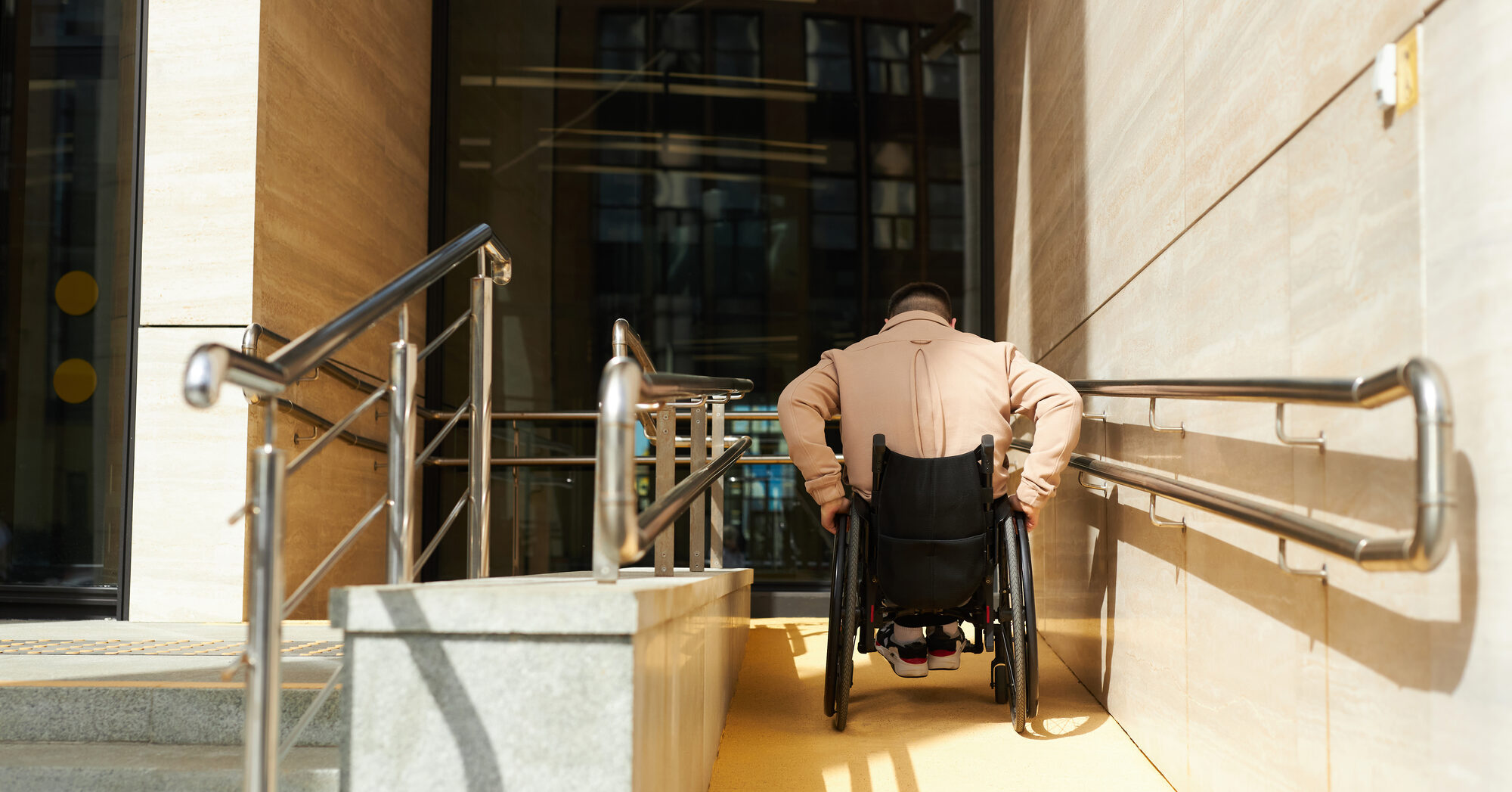
The Ley de Propiedad Horizontal makes that explicit from the community's side. Article 10.1 lists actions the community must carry out without needing a prior agreement of the junta: conservation work, safety, habitability, and legally required accessibility adjustments. Nobody votes on whether the building has to be safe. What the meeting decides is how it is paid for and by whom it is done.
That distinction defuses a lot of arguments. "We didn't approve it" is not an answer to a structural defect.
The ITE: the Canarian rule is different
Search for inspección técnica de edificios and you will find, over and over, the 50-year rule. It is the figure most Spanish municipalities work with. It is not the figure that governs here.
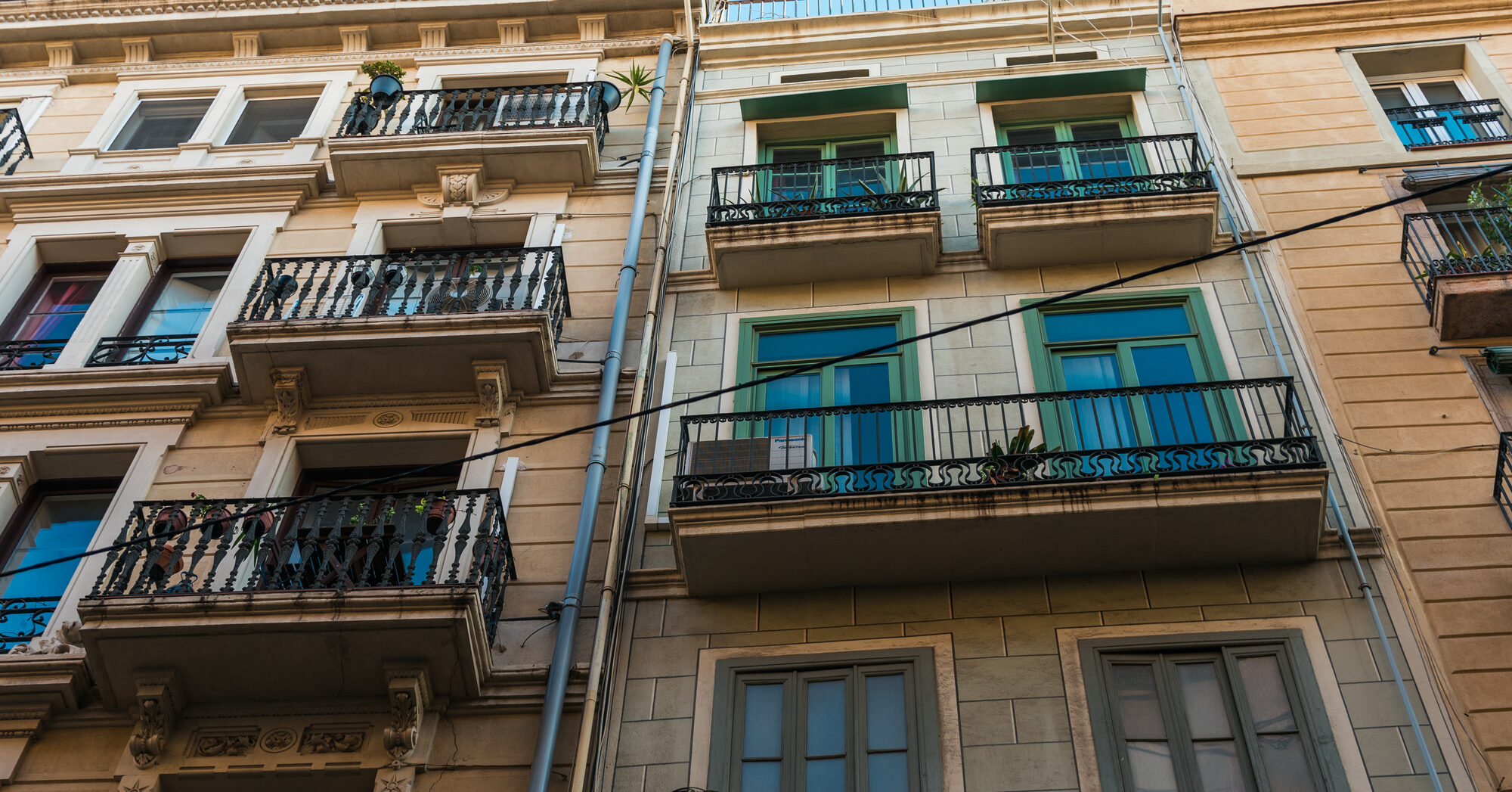
In the Canary Islands, the technical inspection of buildings is provided for in article 269 of Ley 4/2017 del Suelo y de los Espacios Naturales Protegidos de Canarias, and its disposición adicional tercera sets the trigger: collective residential buildings whose age as at 30 June 2018 was 80 years or more. That is a very different threshold, and it is why so few Fuerteventura communities have ever been asked for an ITE certificate.
Three qualifications, all of which matter:
- Municipalities can go further. The regional law is a floor, not a ceiling. Canarian town halls have their own ordinances — some already in force, some drafted and never approved — and they can set stricter thresholds or their own procedures. Which applies to your building depends on your municipality, and it changes.
- Age is not the only trigger. A visible deterioration, a complaint, a municipal conservation order, or an application for rehabilitation funding can each put a technical inspection in front of you regardless of how old the building is.
- Not being obliged is not the same as being fine. An eighty-year threshold means most Fuerteventura stock is outside the mandatory regime. It says nothing about the state of the concrete.
The honest answer to "do we need an ITE?" is therefore: it depends on the building's age, its municipality and its condition, and it has to be checked rather than assumed in either direction. That is exactly what our ITE and certificates service exists to do — find out, put the dates in a calendar, and budget the cost a year ahead instead of meeting it as a fine.
The certificates that expire while nobody is watching
Beyond the ITE, a community carries a set of obligations with dates attached. The list varies with what the building has, but typically:
- Lifts — periodic inspections by an authorised control body, plus the maintenance contract's own schedule.
- Swimming pools — water treatment records and the health-authority obligations that come with a communal pool, including legionella prevention where applicable.
- Fire protection equipment — extinguishers, hoses, signage, with servicing intervals.
- Electrical installations — periodic inspection of the community's low-voltage installation.
- Energy performance certificate for the building, where one is required.
- The building book (libro del edificio), where the building has one — and, increasingly, the version of it that funding programmes ask for.
None of these are difficult. They fail for one reason: nobody owns the calendar. When a community changes administrator and the technical file does not travel with it, the calendar restarts at zero — which is why, if your community is thinking about changing administrator, the technical documentation belongs at the top of the handover list, not the bottom.
Salt, sun and render: the island's own maintenance cycle
Fuerteventura is not a difficult place to maintain a building. It is a specific one.
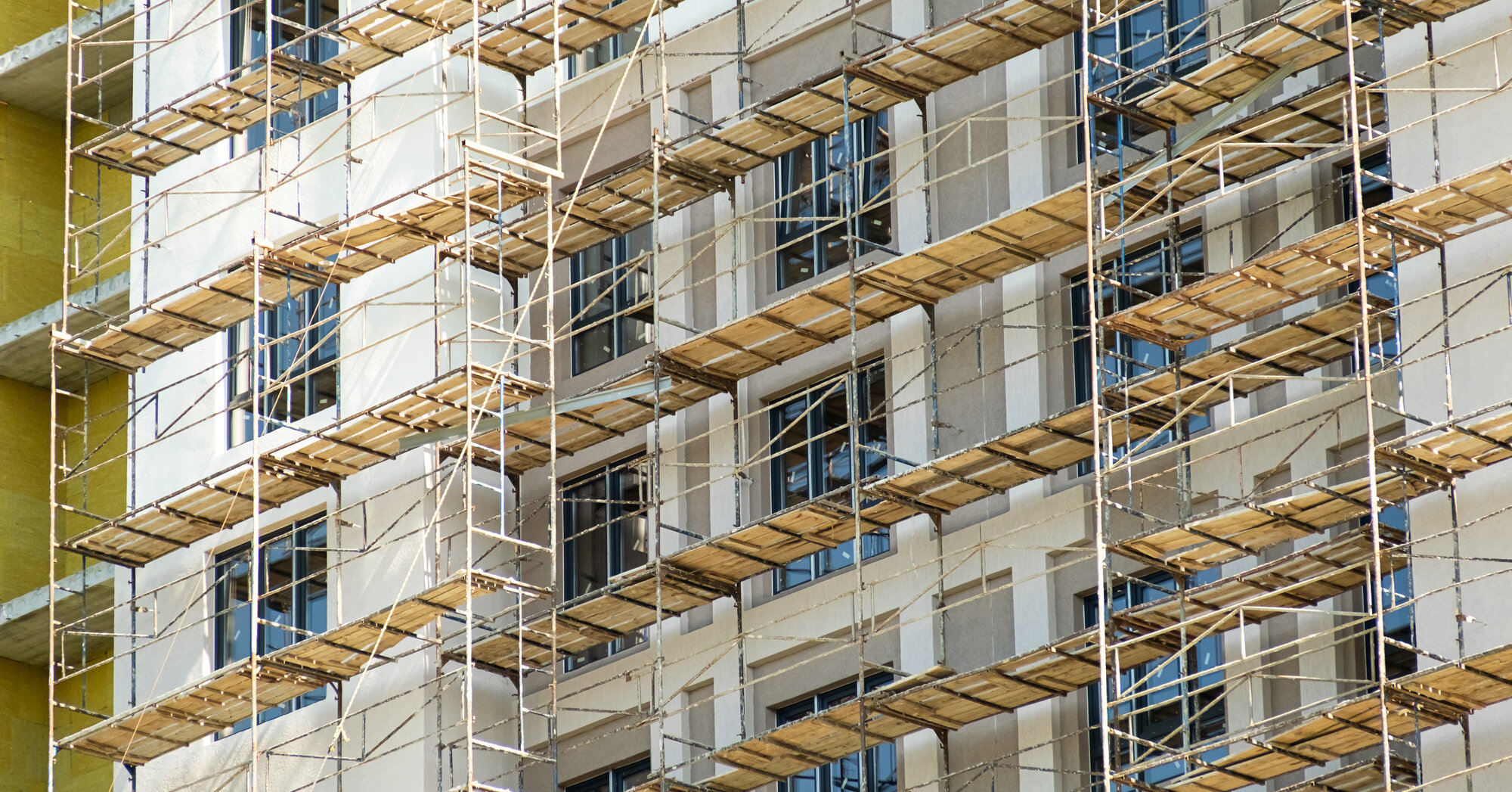
Constant airborne salt drives corrosion of reinforcement and fixings; UV exposure ages sealants, coatings and plastics faster than a temperate climate does; wind loads work on railings, awnings and anything mechanical. Meanwhile rain is rare enough that drainage defects hide for years and then present themselves all at once.
The practical consequence is that the useful interval for painting, sealing, railing treatment and roof inspection is shorter here than the standard figures suggest — and that a community which budgets on mainland assumptions will always be slightly behind its own building. The work is not more expensive. Doing it late is.
A workable calendar looks less like a document and more like a habit: a scheduled walk of the building, the same checks each time, a written note of what changed, and the two or three items that go into next year's budget as a line rather than into next year's emergency as a derrama. That is what our maintenance service is organised around — cycles, not emergencies.
Paying for it: the reserve fund is a plan, not a formality
Article 9.1.f of the LPH requires every community to hold a reserve fund of not less than 10% of its last ordinary budget, available for conservation and repair of the building and, following the more recent reforms, for accessibility and energy-efficiency works.
Most communities treat the 10% as a compliance number. It is better understood as the first year of a plan. A community that knows its façade has a horizon of six years and budgets towards it does not need an emergency levy in year six — it needs a vote to release money it already has. The same building without that habit gets the same façade and a four-figure bill per owner in a single meeting.
Two levers are worth knowing about when the bill is large:
- Grants and rehabilitation programmes. Public funding for building rehabilitation, accessibility and energy efficiency comes and goes, with its own documentation requirements and deadlines. What a programme covers is a project-by-project question and nobody should promise you a figure in advance — but the paperwork is the administrator's job, not the president's. That is what works, refurbishment and grants means in practice.
- A lower voting bar for energy work. Article 17.1 of the LPH allows the installation of renewable-energy systems to be agreed by one third of owners representing one third of quotas — and since the March 2026 amendment that expressly includes aerothermal and geothermal systems, alongside solar self-consumption. For a community where a third can agree on something and three-fifths never can, this is a genuinely useful door.
And when something does go wrong
Insurance is where good documentation converts into money. There is no general legal obligation in the Canary Islands for a community to insure itself, but every sensible one does — and the difference between a claim paid in full and a claim half-paid is almost never the policy. It is the file: photographs taken the same day, the incident logged with dates, the invoice matching the quote, the policy clause identified before the argument starts.
We are administrators, not brokers, and we earn nothing from any insurer. What we do is build the file. Every incident in a community we manage is logged with photographs from the first report through to the closing invoice, and owners can see it — which means that when an insurer asks what happened on the night of the storm, the answer already exists.
If your community has lost track of its own calendar, that is a recoverable situation and a common one. Tell us about your building, or read what our community administration service covers.